Commercial diving support at port or anchorage
Complete practical underwater work without creating a separate service stop.
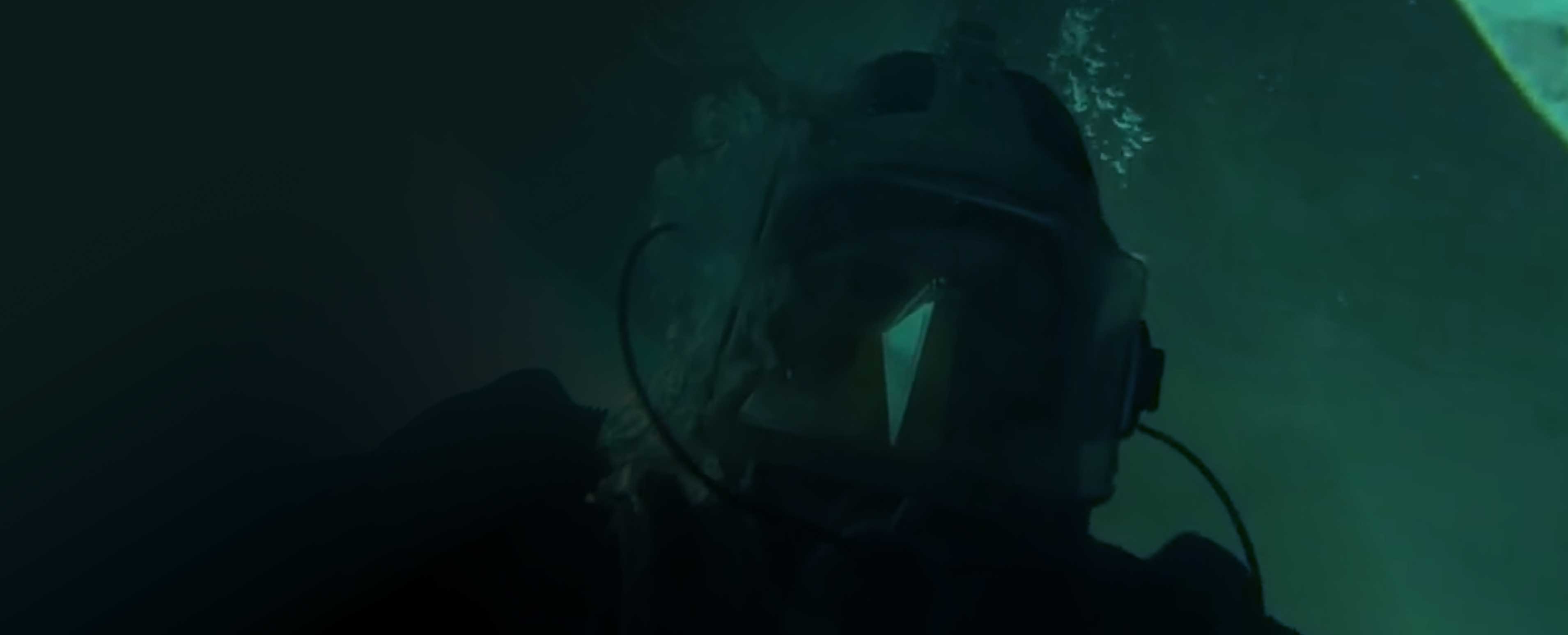
Commercial diving support is about getting real underwater work done safely and efficiently. NSADA mobilizes where the vessel is already waiting, so operators can complete practical subsea tasks without creating a separate downtime event.
Use one diving mobilization to solve the real task.
Commercial diving support is most valuable when the operator needs practical execution, not just observation. The job may involve inspection, cleaning support, targeted maintenance or another underwater task that has to be completed properly inside a limited window.
The value is not only the dive. It is the coordination.
For vessel operators, the real pressure is often timing, access, communication and making sure the right work is completed before sailing. That is why commercial diving support must fit the live operational plan, not interrupt it.
Work where the vessel is already waiting.
Most vessels cannot justify a separate stop for underwater service that could have been completed during port stay or anchorage. NSADA mobilizes to the vessel so the work can be done inside the service window that already exists.
That makes approval easier and execution more practical.
Once divers are in place, it makes sense to review the full underwater scope.
Commercial diving support often connects directly with underwater inspections, hull cleaning, propeller cleaning or other targeted underwater work.
Once divers are already in place, it is often more efficient to complete the wider scope in the same mobilization. That means fewer separate call-outs, clearer coordination and more work completed before sailing.
Operators need useful execution, not vague service language.
The point of commercial diving support is simple: complete the underwater task, report clearly and leave the operator with a finished result or a clear next decision.
That is what makes the service commercially useful.
Book commercial diving support when the underwater work needs to be done now.
If the vessel is already waiting, if several underwater needs can be handled in one mobilization, or if the next operational decision depends on work below the waterline, this is the right time to act.